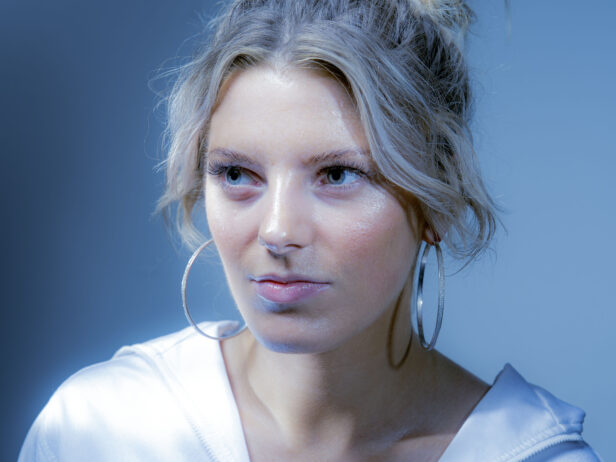
INTERVIEW WITH LAURA EAGER
Laura Eager (UK) is a Visual artist, originally from England and currently based in Amsterdam, where In 2023 she graduated from the Audio Visual department at the Gerrit Rietveld Academie. Laura’s artistic practice uses performative scenarios, films and audio works, to research the relationship between the spectator, director and performer at the intersection between real life and ‘stage’, fusing public spaces with white cubes, or black boxes. Her projects evolve through the staged encounters and performative happenings that she places herself and others in, to explore the borders of what is public and private, reality and fiction, and uncover the perceptions of the everyday.
-How would you describe your artistic practice today?What are the primary themes and questions driving your current work?
I’m working in a medium where I treat the everyday performance, roles and relationships as material, to explore the borders of what is public and private, and the shifting dynamics of power, control and desire.
I’m mainly working with film, pictures and forming scenarios for encounters to take place in, creating docu-fiction portrayals.
More recently I have become increasingly intrigued by using myself as a hyper-feminine character to perform and play with cultural archetypes and subverting expectations. I often like using my surroundings, space, and who is there to form concepts, and place the work. In that sense it is always politically charged, and looking into how we position ourselves in society. It lies somewhere between the stage and reality.
I studied visual media; film, audio and object, however I take a huge amount of inspiration from theatre and performance, often collaborating with others from these disciplines. So I find myself in a mix of it all.
-In your artistic statement, you write that your work engages with questions of authorship, spectatorship, and perception, often in public or hybrid spaces.Can you tell us how you came to explore these ideas?
I was always fascinated with social constructs, scripts, and perspectives that shape a person’s understanding of their position within social reality. I have a background in sociology, so there are a lot of questions and investigations. I like documenting and simply showing, playing and poking holes in the constructs we formed. The viewer always brings in the third layer for me, like a mirror. It makes sense that work is situated in hybrid spaces because of this.
My Thesis was on the socialist Ervng Goffman’s theory of the dramaturgical perspective, seeing how everyday life mimics theatre, with roles, cues, scripts and costumes, how we could all be seen as actors, acting out our roles to various audience members. In some sense it made a fantasy of real life, and the understanding of it gave power to play, question and ignite the restrictions within it.
-You mention that you navigate between the roles of visual artist, performer, and producer.How do you balance these different aspects of your practice?
This is very hard, like most artists. I am still navigating. When I graduated I was so intoxicated by performance and the theatre scene I really pushed away from visual media, but more recently I have been urging to play with material, object and film again, and always looking at performance with a wide eye, in what it classifies as. By working with the politics of labour, occupations and authorship, I’m curious in my practice how performative material can manifest through situated making and using the ‘public body’ itself as a tool for that.
Producing works very well for me in that sense, it gave me insight into other disciplines, inspiration and kept my creative brain flowing. However of course at times there is a struggle to be using your creative energy on another and not having much left for yourself. I recently started working in a bar and that helped, but also not in other ways. I think it is an obvious constant juggle of bouncing in between what is exciting and confusing you, which must be relatable to most makers.
-Can you share more about your current projects?What are you working on now, and what directions are you exploring?
I am currently developing a new series of works for my upcoming solo exhibition at Gallery Space O in Düsseldorf, and its further evolution during a residency with audiences at De Sloot / Dance Space Destiny in Amsterdam.The research focuses on the thresholds between arousal and violation, and how these states fold into one another. I am working with latex, metal, and found objects in direct relation to the body, testing how materials can embody and disturb borders of restriction, pain, pleasure, and consent.
At this stage, I am collecting and creating prototypes and small performative tests. I work in collaboration with a theatre director, sound designer and videographer to gather material and build up fragments within the topic from the situations and people around us. For now, the project exists as fragmented images and performative sketches, but my intention is to see how these parts can later weave into one another towards a form that operates like a deconstructed opera.
-You encourage critical reflection on broader social constructs, behavioral scripts, and how viewers perceive their own position in social reality.Who is your ideal audience, and what kind of relationship do you hope to create with them through your work?
I’m hoping to build and open dialogues with audiences across cultural contexts and value systems, for me both the everyday visitor and the cultural scene is equally important to present to, to deepen the work’s relevance and reflection on the topics. Most of the time I would like the work to be confronting, mirroring and uncomfortable, it should situate them in a familiar space that’s recognisable and somehow they should also become part of it. I don’t believe in differentiating between spectator and performer. I would like to keep trying to place the work in hybrid social spaces within the context of artistic institutions for this reason, not forcing participation but that it becomes naturally part of the viewing process.
-What are your thoughts on the Amsterdam art scene?How has being part of WOW Lieven influenced your network or artistic perspective?
I am torn on the art scene here. I was lucky to have an education at the Rietveld Academie where I collided with others from many cultural backgrounds and disciplines, which really ignited and inspired me, however since graduating I can often feel a level of tameness in the Amsterdam art scene. I miss an edge, spike or prod in an adverse direction which I often felt in the UK. It does have its privileges in funding and support, which can give an artist a dream of getting by from making, this I’m very grateful for, but I do try my best to network outside the country in the hope to situate my work better. Living at WOW is recent to me, but I’m excited to be around other communities and backgrounds again who may feel familiar to the above, maybe we can prod together.
-Financial sustainability is a major concern for independent artists.How do you navigate this challenge while staying true to your political and artistic values?
What a question! When I was studying I was always working in Horeca which proved to be difficult, so as soon as I graduated I went straight into creative producing, which gave me the financial stability at that moment I needed, however over time when I combined it with my own practice and having a studio I figured that it was a job that is not easy to shut the door on and get into my own creative mindset. I was also living in Anti-Craak to keep living costs down. Since moving to WOW Lieven, I am slowing down on producing to really focus on my practise again and I actually went back to working in Horeca. My income is much less, but I have more time and energy for my projects, so for now it is doing me a lot of good, and I take away a different form of inspiration from that environment.
-You graduated in 2023.Can you tell us what your post-studies life has been like? What have been the key challenges and opportunities?
Since graduating I first had to find a way of living I suppose, or financially supporting myself, so my main focus was on how to stay living in Amsterdam and not move back home to England. I kept myself busy with small shows or projects with friends to keep my creative brain ticking. It wasn’t till 2024 where I felt ready to start another ‘big’ research again, and received my first funding from Mondriaan and a residency which I did in Belgium. This is when it kicked off for me and the project exhibited further at MOMO Festival in Rotterdam and Whats Happening Here Gallery in Amsterdam. More recently I am slowly building upon that, trying to write for further grants and applying for more residencies or festivals with new ideas. I think I found after one opportunity hit more follow along. The challenge is reserving this energy, finding time and again the balancing act of it all. I still consider it early years since graduating in that sense.
-What five elements would you say are essential for building a sustainable, long-term artistic practice—both creatively and practically?
- Staying in connection with others, collaborating, sharing practises, tools, networks, fantasies and general support. It for me is the best possible way to continue developing as a maker and also to feel inspired and connected in the scene.
- Side hustles ! – Finding a job or jobs on the side that you enjoy, but can give you some stability and headspace for yourself. (Almost impossible … 😉 )
- Funding !!! Writing and writing and writing , when it comes it is a blessing to have the means to really use materials, people and experiences that push your work further.
- Travelling – Being in other cultural contexts, either with people or alone in new places – to see other ways of ‘doing things’, new images, opinions and feedback on your works.
- Having a 2 year rough plan – I learnt to do this with producing but it really helped me to sketch out the coming two years to see when I creatively make work, when I need to apply for funding to receive it in time, and when I have a show. It also gave me the freedom to plan around down time and a social life.
-Where do you see yourself—artistically and personally—over the next few years?Do you work toward a defined plan, or do you let intuition guide your path?
I like to keep space always for the unexpected and allow for plans to change, however I always have some visions to work towards to set me on a path. At this moment I would really love to develop further my collaborations with other disciplines, specifically in material and set design, so I can gain more tools, knowledge and skills in visual media again and materiality. In the mid term, I want to take some more residencies abroad. I really value the intensity of the weeks and focus it brings to the making process. From this I also hope to expand my network more internationally and back in the UK where I think my work may situate well. In the future I would dream of a masters at Goldsmiths, or the Atelier program in Amsterdam.
On a personal level I hope to understand better the juggling act of working and making, it has been quite a stressful and demanding process at times, which often leads to burn outs or irregular routine, I would like to find some peace in this somehow.
-How do you recharge creatively and emotionally?
Many Things!!! Going to the local Bath house to sauna and steam, femme fierce dance classes, spending time cooking big hearty dinners, stretching in the morning, Painting, long and short walks and getting out the country, or just off my phone for the day.
-If you could be reincarnated as a plant or animal, what would you choose and why?
I would choose a tiger. It feels instinctual, furious and fast paced, which excites me.
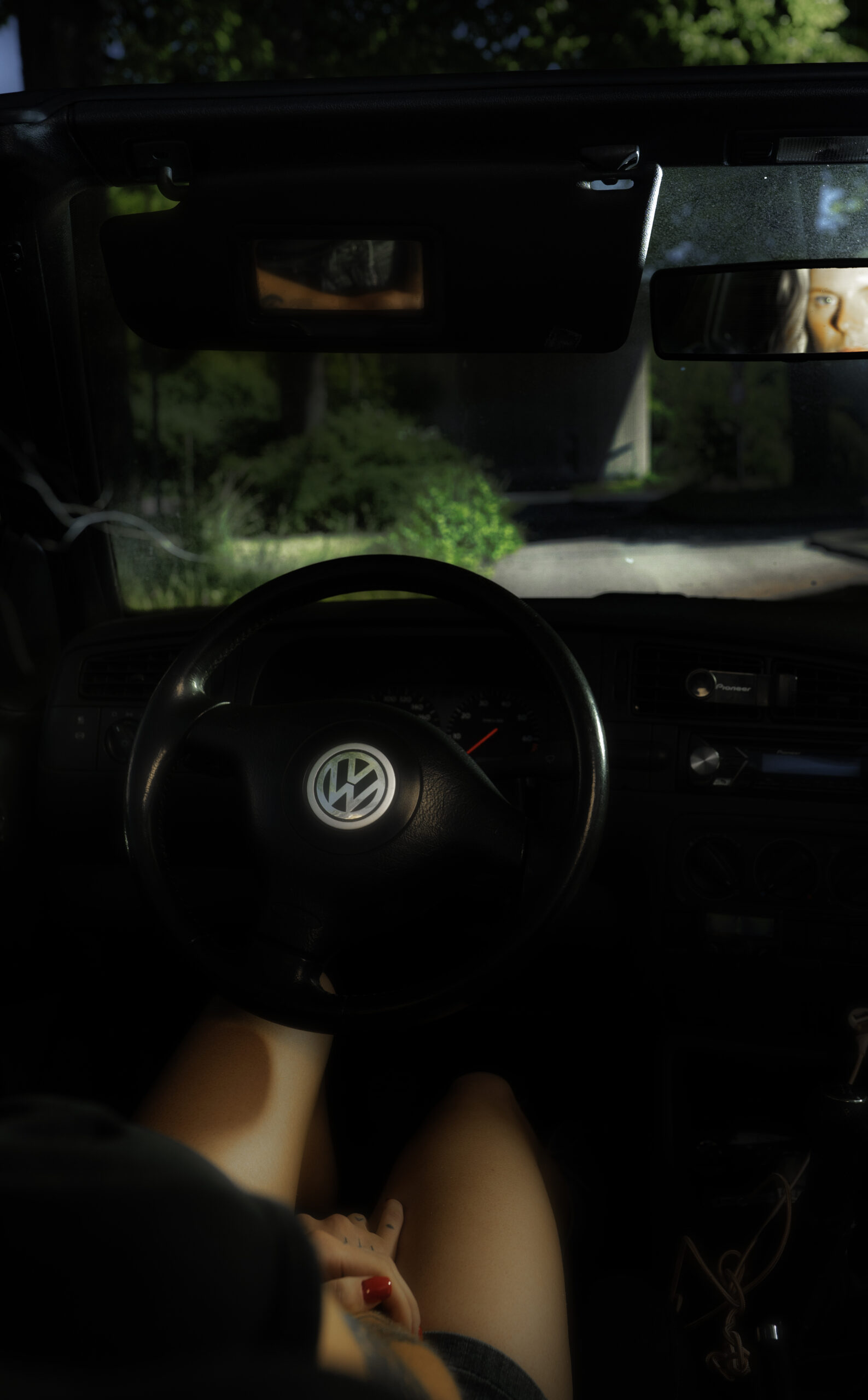
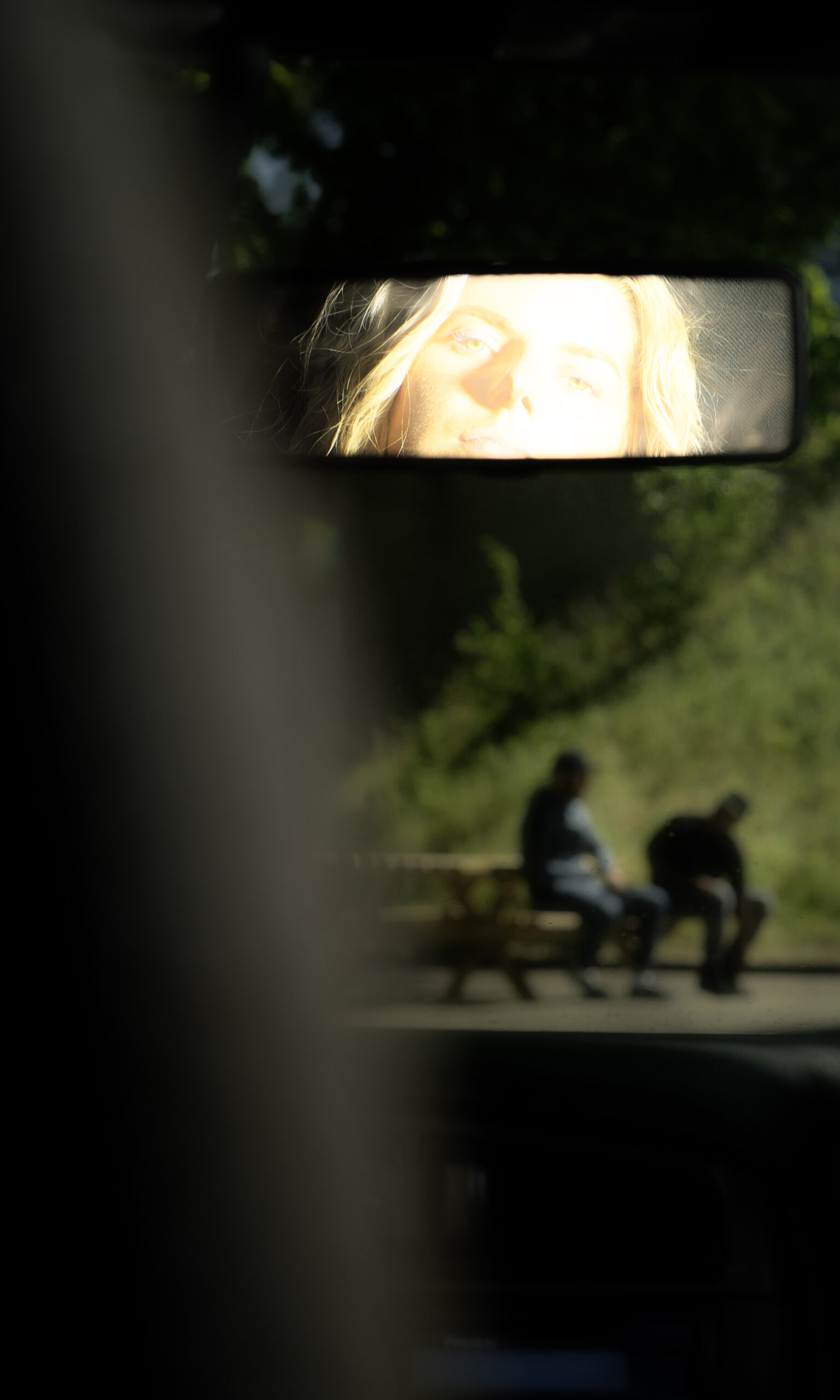
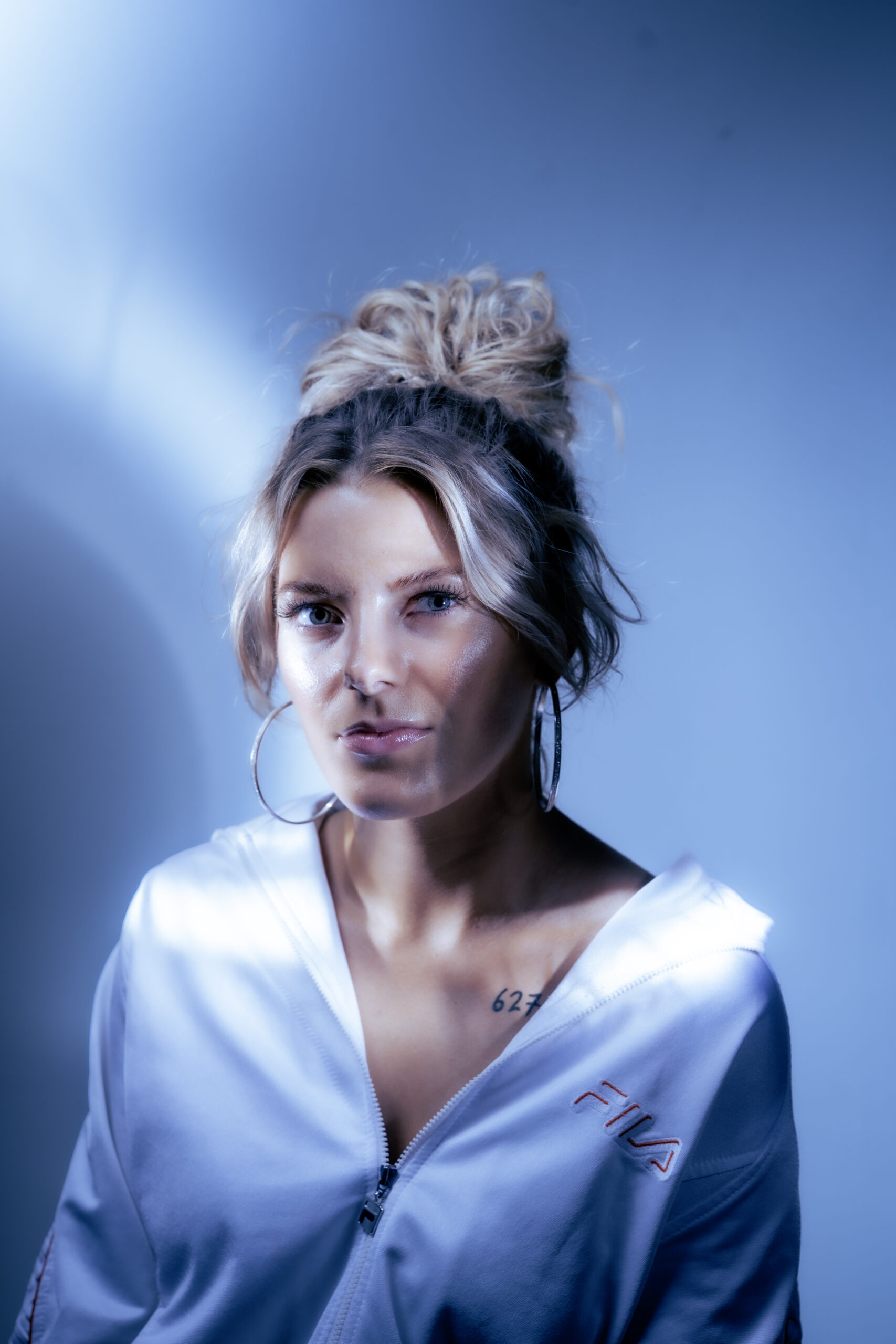
Photos by Roman Ermolaev
by WOW